Diving Into The Deep

Our aim is to study the mechanisms at the basis of hematopoietic and vascular cell defects, that cause and/or exacerbate several human diseases, such as childhood leukemias, systemic sclerosis, fibrodysplasia ossificans progressiva and muscular dystrophies.

The extreme complexity of the cellular and molecular interactions as well as the network of intertwined signalling pathways, has hampered a full elucidation of the onset and progression of these diseases. Only by combining different competences, complementing each other, we will be able to shed light on the multi-layered connections occurring during physiological and pathological processes such as hematopoiesis and vascular remodeling in the embryo and in the adult, and the crosstalk with the innate immune system.

The objectives of our research are achieved by exploiting both specialized tools and our unique expertise. Strategies such as genetic lineage tracing in transgenic mice and characterization of loss/gain of function (LOF/GOF) models allows us to approach the study of the diseases of our interest in a specific way.

For example, for diseases such as childhood leukemias, which have a pre-natal origin, we are currently aiming to identify the origin of the pathological cells from the embryo to the adult. Furthermore, genetic and epigenetic profiling achieved through state-of-the-art biomolecular/sequencing platforms and live-imaging, will lead us to 1) define the molecular mechanisms driving the disease and aid the identification of new therapeutic targets; 2) identify the different components of the remodeling vascular and hematopoietic niche in physiological and pathological conditions for further identification of specific key factors produced when challenged with different inflammatory stimuli.

Meet Our Team

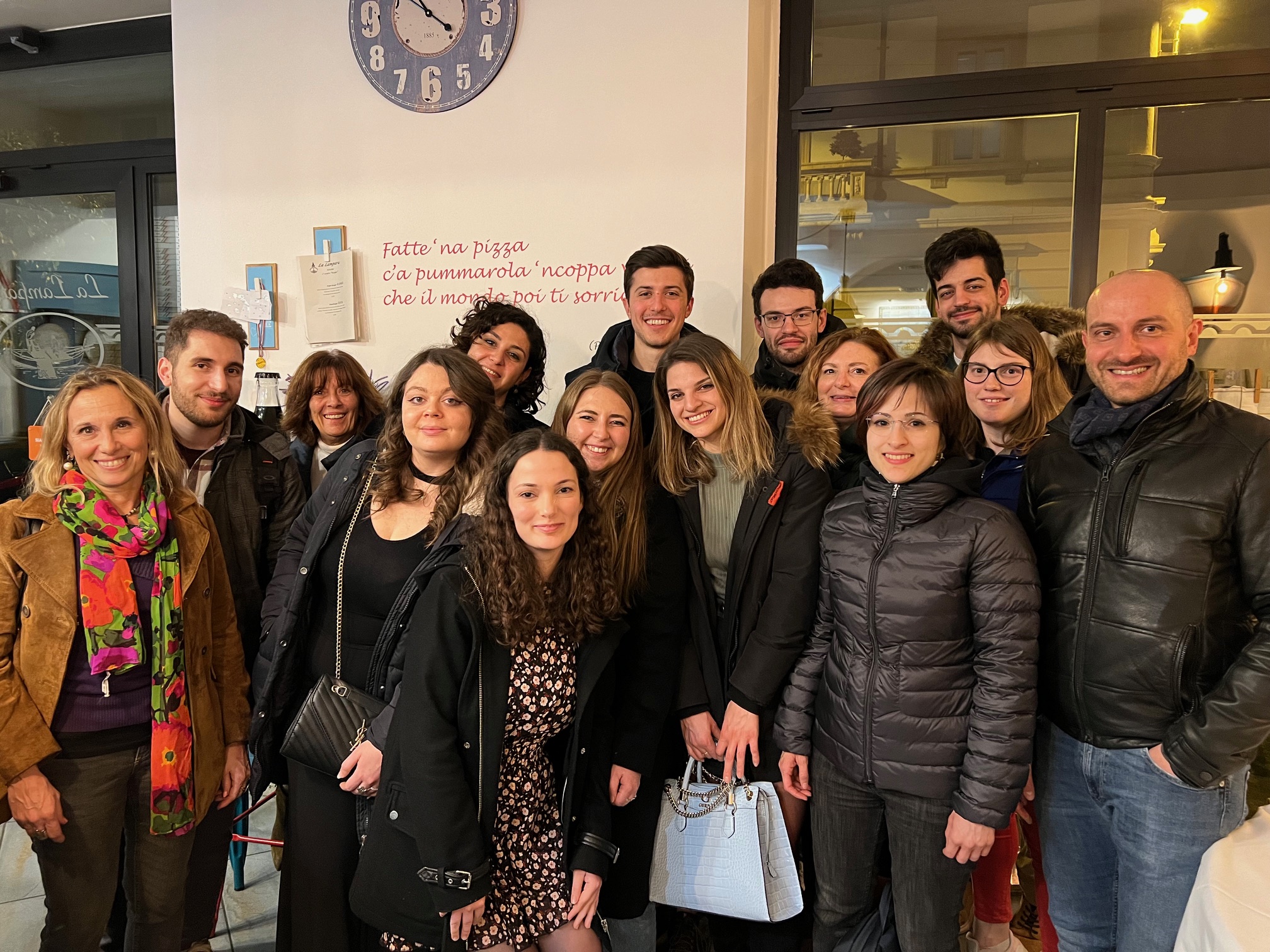
HEVA Research Group is a team of scientists with complementing expertise working together toward the common goal of building biomedical research with the potential of improving existing therapies. We believe in raising awareness about the impact of our research outcomes in both academic and public communities.

Principal Investigators
Silvia Brunelli
Silvia BrunelliAssociate Professor
I am Faculty member for Cell and Molecular Biology and Human Molecular Genetics teaching at the Medical School at University of Milano-Bicocca.
My research explores the molecular mechanisms of muscle regeneration and the intricate interactions between innate immunity and vessel-associated progenitors, with a particular focus on the role of endothelial-mesenchymal transitions (EndMT) in fibrotic diseases. To support this work, I have developed innovative mouse models to study how muscle progenitors and the immune system interact in both physiological and pathological conditions.

In recent years, my research has increasingly focused on the role of innate immunity in heterotopic ossification, particularly in fibrodysplasia ossificans progressiva (FOP). Collaborating with leading centers of excellence, I aim to identify novel therapeutic targets for this rare and challenging condition.

I have authored 78 peer-reviewed articles, achieved an H-index of 39, and secured funding from prestigious organizations such as Fondazione Telethon, Fondazione Cariplo, and the European Community.
ORCID ID: 0000-0003-1753-5346
Scopus ID: 7003321841

Emanuele Azzoni
Emanuele AzzoniAssociate Professor
I am a research scientist interested in experimental hematology. After a Ph.D. in Translational and Molecular Medicine (University of Milano-Bicocca, Italy) and a Post-Doc fellowship at the University of Oxford (UK), I established my own research group at the University of Milano-Bicocca in 2019. Since then, I am working on projects aimed at dissecting the complexity of pre-natal hematopoiesis in both physiological and pathological contexts. In particular, I am interested in studying the biology of pediatric myeloid malignancies, such as juvenile myelomonocytic leukemia (JMML) and childhood acute myeloid leukemia (cAML), in order to identify and test new therapeutic vulnerabilities. For my research, I use a range of techniques including in vivo modelling, multicolour flow cytometry, confocal imaging, cell cultures and next-generation sequencing approaches.
The outcome of my research activity is documented so far in 26 publications in peer-reviewed international journals (H-index: 14, 2,600 citations).
ORCID ID: 0000-0002-4572-5692
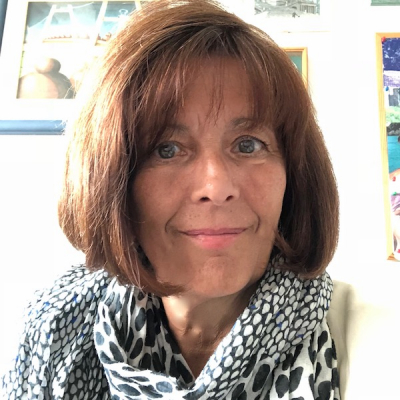
Raffaella Meneveri
Raffaella MeneveriFull Professor
The large majority of my research activity has been dedicated to the study of ncDNA, focusing on beta-satellite and D4Z4 satellite organization and function.
I have been concentrating in particular to the analysis of the plasticity of the human genome; deciphering the role of repeated non-coding sequences in the functionality of the human genome; to the analysis of genetic-molecular and epigenetic mechanisms underlying human pathologies.
Since 2006 i’m President of the degree course in Medical Biotechnology of the University of Milan-Bicocca.
Since 2015 i’m scientific director for the acquisition of the double title of Master’s Degree in Medical Biotechnology and Master’s Degree signed between the Milan-Bicocca University and the French Universities: Université Paris Diderot – Paris 7 and Université Paris Descartes – Paris 5.
My current line of research focus on the study of miRNAs and lncRNAs in FSHD myogenesis.
Our staff

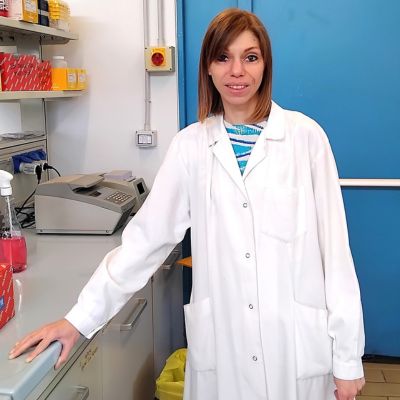
Cristina D'Orlando
Cristina D'OrlandoTechnician
I am a PhD-trained cellular biologist and I work in HEVA lab as a scientific technician where I am mainly in charge of the cell culture area.
In the last years, I have mainly worked with Prof. Raffaella Meneveri and Prof. Silvia Brunelli on muscle physiopathology and in particular on transcriptome analysis of differentiating and affected myoblasts of facio-scapulo-humeral muscular dystrophy (FSHD).
Establishing and handling primary and immortalized myoblast cultures for experiments including qRT-PCR, Western Blot and confocal imaging were my main contributions in this line of research.
Other important and pleasant aspects of my work are taking care of the laboratory management and supervising undergraduate students during their thesis work.
As a tutor i feel invested in their professional training and i’m daily committed to helping them find success and gratification in their labs’s experience.
Cristiana Barone
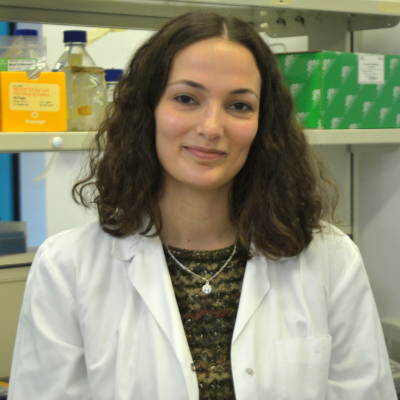
Cristiana BaronePost-Doctoral fellow

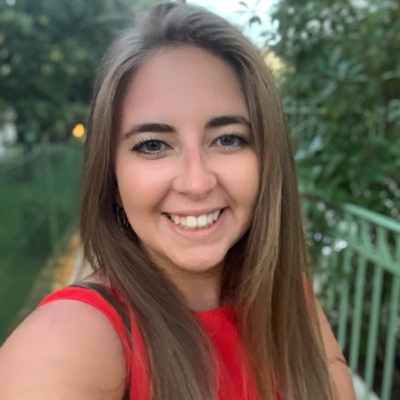
I am a young Post-Doc recently joined to HEVA lab. I have a strong interest in developmental biology and in its deregulation during tumorigenic processes. During my Ph.D., to University of Milan-Bicocca,
I acquired a background in molecular and cellular biology. I focused on the deregulation of molecular pathways of stemness during the gliomagenesis.
I applied different innovative techniques such as genomic ChIA-Pet (for the genome-wide analysis of chromatinic long-range interactions) and CRISPR-Cas9 technology. I have also experience in handling mice and in bioinformatic tools such as R language. In HEVA lab I started to study leukemia, focusing on the goal of define the cell of origin and molecular basis of childhood and juvenile form of acute leukemia, diseases with embryonic origin, for which are not disposable precision molecular tools for specific pharmacological targeting.

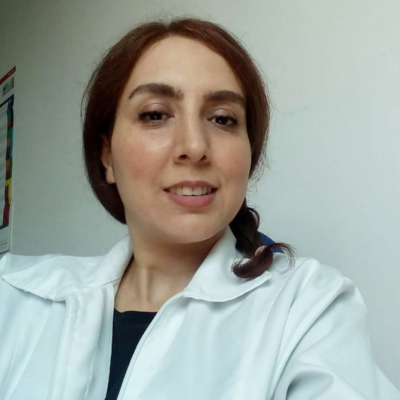
Mahdieh Naghavi
Mahdieh NaghaviPost-Doctoral Fellow

I obtained a bachelor in Microbiology and a Master of Medical Immunology in Iran. Then In 2019, I moved to Italy to continue my studies with a Ph.D. in medical biotechnology.

In my PhD I worked in different fields of immunology: tumor immunology, autoimmune diseases and immunotoxicology.

After my PhD I did a short postdoc in national cancer research of Spain (CNIO), working in the field of pediatric leukemia. I became familiar with CAR T cell therapy.

For my postdoc, I am continuing to work in the in the field of pediatric leukemia. I joined Prof. Azzoni’s research team since September 2024. My main focus is currently aimed at investigating the role of inflammatory pathways in Juvenile myelomonocytic leukemia (JMML) and their potential triggers.

Michela Signo
Michela SignoPost-Doctoral Fellow

Sono una biologa con un PhD in Bioscienze e attualmente lavoro come assegnista di ricerca (Post-doc) presso l’Università degli Studi di Milano-Bicocca, dove collaboro a un progetto Telethon sulla Fibrodisplasia Ossificante Progressiva. Il mio percorso si è focalizzato sulla ricerca biomedica, con particolare attenzione al metabolismo osseo, all’immunologia e allo studio di malattie rare. Negli anni ho maturato esperienza pratica di laboratorio presso l’Ospedale San Raffaele e l’IRCCS Galeazzi-Sant’Ambrogio di Milano, occupandomi di analisi biochimiche, colture cellulari e studi in vivo, sviluppando una solida conoscenza dei meccanismi molecolari e dei target terapeutici.

Mauro Bergamaschi
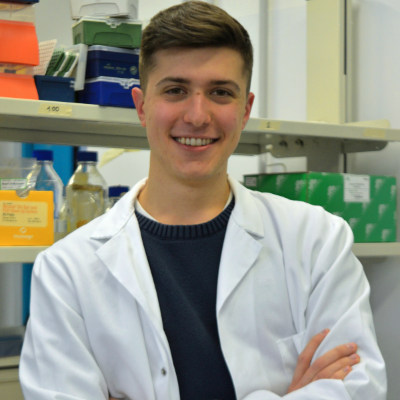
Mauro BergamaschiDIMET PhD. Student

I joined HEVA Lab in 2023 as a master’s student. During my internship, I gained experience in cell culture, molecular biology, and immunofluorescence. Currently, I am a PhD student in Translational and Molecular Medicine at University of Milano-Bicocca. Under the supervision of Professor Silvia Brunelli, my project focuses on the analysis of new therapeutic targets involved in the modulation of the inflammatory response in Fibrodysplasia Ossificans Progressiva (FOP). FOP is an ultra-rare genetic disease that leads to the formation of abnormal ectopic bone in soft tissues, such as skeletal muscle, through a process called heterotopic ossification. So, this project aims at investigating the functional analysis of osteoclast differentiation pathways and hypoxia in the context of FOP, identifying new therapeutic targets, and validating the action of molecules, previously identified, in these processes.

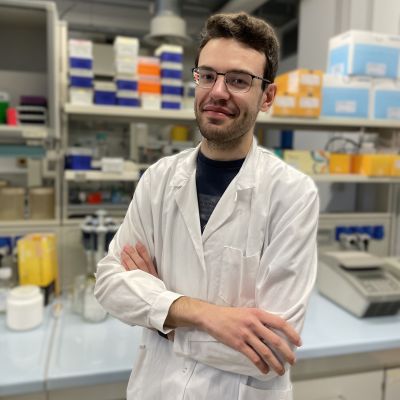
Alessandro Muratore
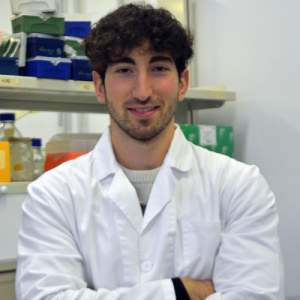
Alessandro MuratoreDIMET PhD. Student

I am a Ph.D. student interested in the mechanisms that regulate hematopoietic development. During my master’s degree, I already worked under the supervision of Prof. Emanuele Azzoni for my internship, investigating a rare juvenile form of leukemia and its embryonic origin. Currently, I am researching how specific signaling pathways impact blood vessel formation and embryonic hematopoiesis. Furthermore, I will explore inflammation during embryogenesis, targeting its connection with embryonic/fetal hematopoietic stem/progenitor cell generation and migration. Using inducible mice models, performing in vitro assays and through confocal imaging, I will investigate these processes to advance the current knowledge in the field.

Giulia Quattrini
Giulia QuattriniPost-Doctoral Fellow

I am a PhD student with a strong interest in developmental biology in both physiological and pathological conditions. Currently, I am working under the supervision of Professor Emanuele Azzoni on a research project focused on Juvenile Myelomonocytic Leukemia (JMML), a rare oncological disease that typically affects young children. In my research I take advantage of both in vitro and in vivo models to investigate the cellular origins of JMML and the underlying mechanisms driving its onset and progression, aiming to identify potential therapeutic vulnerabilities of this disease.

Marta Confalonieri
Marta ConfalonieriUndergraduate Student
Sofia Romagnoli
Sofia RomagnoliUndergraduate Student
Maria Romeo
Maria RomeoUndergraduate Student

Alumni

Laura Castellani
Laura Castellani
Marta Carminati
Marta Carminati
Arianna Colonna
Arianna Colonna
Elisabetta d’Errico
Elisabetta d’Errico
Tiphanie Durfort
Tiphanie DurfortPost-Doctoral Fellow

I am a cellular and molecular biologist with a background in both academic research and the pharmaceutical industry. My research focuses on the pathogenesis and therapeutic resistance of breast cancer and leukemia, with the aim of identifying innovative treatment strategies. Additionally, I have contributed to the development of cGMP-compliant platforms for recombinant protein production and therapeutic antibody development. Through my work, I aim to deepen our understanding of cancer and contribute to the development of more effective therapies.

Riccardo Gamberale
Riccardo Gamberale

I am a Ph.D. student interested in muscle biology and in the cross-talk between skeletal muscle and immune system cells. I have been previously studying the effects of aging on muscle wasting.
My current research focuses on the role of the immune system in Fibrodysplasia Ossificans Progressiva (FOP). FOP is a rare congenital disease that results in abnormal formation of ectopic bone in skeletal muscle, a process known as heterotopic ossification, leading to progressive immobilization, extreme pain, and eventual death.
In this context, cells of the innate and adaptive immune system have always been regarded as crucial, due to their functions in tissue remodeling. This project aims at providing insights on the nature of infiltrating macrophages, which may represent a valuable therapeutic target to deal with FOP.
In my research, I have been using molecular biology and histological techniques and I have been working with mice models.

Filipa Timoteo Ferreira

I am a PhD student from Translational and Molecular Medicine program in UNIMIB DIMET. I graduated from Biochemistry and completed my MSc in Medicine and Molecular Oncology by the University of Porto, Portugal.

I am developing my PhD project under Professor Silvia Brunelli supervision in the area of muscle regeneration and aging RENOIR. The research will provide information about EC progenitors during muscle injury in an altered inflammatory environment and the molecular mechanisms involved in endothelial to mesenchymal transition, including their crosstalk with the immune system during muscle regeneration.

ORCID

RESEARCHGATE

Roberto Orsenigo
Roberto Orsenigo
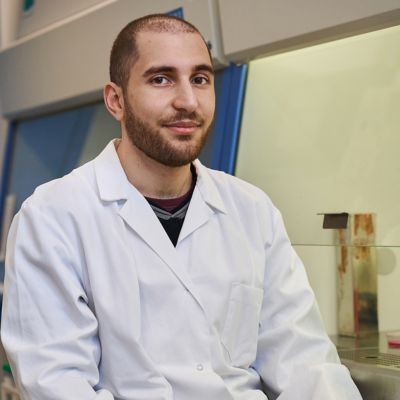
Sandesh Patel
Sandesh PatelPost-Doctoral Fellow

I am a dedicated postdoctoral researcher currently working in the HEVA Lab at Milano Bicocca University under the guidance of Dr. Emanuele Azzoni. My research focuses on leveraging organ-on-a-chip technology to analyse the dynamic adaptation of microvasculature to biomechanical signals in the microenvironment.

During my Ph.D. at Sapienza University, Rome, I developed a strong background in molecular medicine, with a particular focus on the role of microRNAs in T-cell Acute Lymphoblastic Leukemia (T-ALL). My research, conducted under the mentorship of Professors Maria Pia Felli and Isabella Screpanti, explored the regulation of CXCR4-dependent thymocyte maturation by Notch3, shedding light on the critical intrathymic lymphostromal interactions and Notch signaling mechanisms driving leukemic cell proliferation and apoptosis.

Throughout my academic journey, I have cultivated expertise in molecular biology techniques, experimental design, and data interpretation. I am deeply committed to applying these skills to address complex biological challenges, whether in the context of cancer research or emerging technologies like organ-on-a-chip. With a passion for translational research, I am motivated to contribute to innovative projects that bridge fundamental science with real-world applications.

Gianluca Sala
Gianluca Sala
Gloria Zambelli
Gloria Zambelli

Collaborations

silvia brunelli

“As a scientist i gather and use research and evidence, making a hypothesis and testing it, to gain and share understanding and knowledge.I don’t always succeed at avoiding apathy and bias, but I feel that the effort is worthwhile. Try applying this method to an issue you feel strongly about – usually, the stronger your opinion, the less you have questioned it. You may be surprised at how much you learn about the issue. If you are animated by this spirit, science will welcome your goals”

SILVIA BRUNELLI, LEAD RESEARCHER

Research

Our group is working on the frontiers of new discoveries, linking basic and translational research in the field of hematopoietic and vascular cell biology

Passion for blood

From developmental hematopoiesis to the remodeling vascular niche.
We are a multi-disciplinary laboratory that is committed to pursue high quality scientific research in the field of hematopoietic and vascular cell biology